
Brunner (Betroffene und Angehörige, Partnerin)
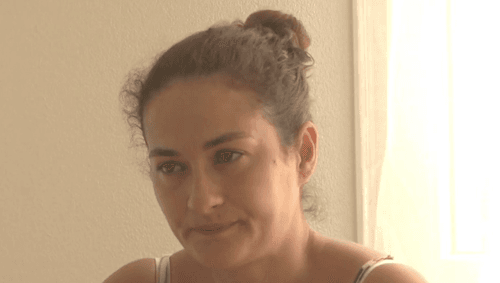
At the age of 27, Ms Brunner suffered a stroke caused by a blood clotting disorder, in which a blood vessel was blocked by a clot (sinus vein thrombosis). On her way home from a city break, she suddenly experienced severe headaches, nausea, vomiting and extreme fatigue. Once home, she slept for over 48 hours and initially thought the symptoms were just an upset stomach. The emergency services also did not consider the symptoms to be a neurological emergency and sent her home again. When she later collapsed in the toilet and needed her husband’s help, he called the emergency services. It was only after a neurologist had been consulted that further investigations were initiated. Looking back, she realised that she had been in a life-threatening situation. During her rehabilitation, the focus was primarily on cognitive impairments. She had to rebuild her mental abilities step by step, benefiting particularly from neuropsychological therapy. Before her stroke, Ms Brunner worked as a nurse. Following her rehabilitation, she moved into a role as a ward coordinator and scheduler, which allowed her a more predictable work structure – a change she initially found challenging. Ms Brunner describes herself as someone who has always needed plenty of time to herself. This need has intensified since her stroke: After intense stimulation in daily life, she needs rest breaks and plans social activities so that she has sufficient time to recover afterwards. In her spare time, she enjoys birdwatching, reading and cooking. The interview took place at the university premises, together with her husband. As Mr Brunner has also suffered a brain injury, his experience is presented in a separate profile. Ms Brunner was 44 years old at the time of the interview.
TEXT
Individuals living with a condition are often experts on their own condition
Ms Brunner felt belittled by the doctors treating her, as they assumed that, as a nurse from a different specialism, she ‘had no idea’ anyway.
TRANSCRIPT
Related experiences

Suter (Betroffener)
Mr. Suter values clear communication
Mr. Suter experienced the conversations with the medical service as caring and direct and emphasises how important this is.
Decision-making
Soldo (Angehörige, Tochter)
Ms. Soldo received a phone call to consent to another emergency operation for her mother
Months after the first bleeding, Ms. Soldo received a phone call because blood had accumulated again in her mother's head. The doctor was unable to tell her exactly what the effects of the operation would be. Ms. Soldo was shocked and anxious about the upcoming surgery. Without the operation, her mother could have died within a short time. Although she survived the operation, she never learned to move her muscles or communicate again.
Decision-making
Other experiences by Brunner (Betroffene und Angehörige, Partnerin)
Brunner (Betroffene und Angehörige, Partnerin)
At the age of 27, Ms Brunner suffered a stroke caused by a blood clotting disorder, in which a blood vessel was blocked by a clot (sinus vein thrombosis). On her way home from a city break, she suddenly experienced severe headaches, nausea, vomiting and extreme fatigue. Once home, she slept for over 48 hours and initially thought the symptoms were just an upset stomach. The emergency services also did not consider the symptoms to be a neurological emergency and sent her home again. When she later collapsed in the toilet and needed her husband’s help, he called the emergency services. It was only after a neurologist had been consulted that further investigations were initiated. Looking back, she realised that she had been in a life-threatening situation. During her rehabilitation, the focus was primarily on cognitive impairments. She had to rebuild her mental abilities step by step, benefiting particularly from neuropsychological therapy. Before her stroke, Ms Brunner worked as a nurse. Following her rehabilitation, she moved into a role as a ward coordinator and scheduler, which allowed her a more predictable work structure – a change she initially found challenging. Ms Brunner describes herself as someone who has always needed plenty of time to herself. This need has intensified since her stroke: After intense stimulation in daily life, she needs rest breaks and plans social activities so that she has sufficient time to recover afterwards. In her spare time, she enjoys birdwatching, reading and cooking. The interview took place at the university premises, together with her husband. As Mr Brunner has also suffered a brain injury, his experience is presented in a separate profile. Ms Brunner was 44 years old at the time of the interview.
Brunner (Betroffene und Angehörige, Partnerin)
Mrs Brunner thought she had food poisoning
Mrs Brunner had a stroke. She just wanted to go to sleep because she had a headache, felt tired and was feeling sick. She didn’t go to the medical centre until a few days later.
Experience of disease
Brain damage
Brunner (Betroffene und Angehörige, Partnerin)
Pain, loss of control and helplessness during an epileptic seizure
Ms Brunner describes an epileptic seizure that she was fully conscious of during consciously experienced, following after her stroke. The seizure was a distressing complication for her, accompanied by intense pain, a feeling of losing control and a profound sense of helplessness. These subjective experiences highlight the emotional and physical dimensions of such neurological sequelae.
Experience of disease
Brain damage
Brunner (Betroffene und Angehörige, Partnerin)
Treatment, doctor’s appointments and a fixed daily routine
At the start of her recovery, Mrs Brunner attended physiotherapy and occupational therapy sessions regularly. She also had to visit her GP frequently to have blood tests. To give her day a fixed routine, she set her alarm for eight o’clock every morning and got up on time.
Procedure after brain damage
Brain damage
Brunner (Betroffene und Angehörige, Partnerin)
Ms Brunner benefited particularly from neuropsychological therapy
To regain her ability to work, Ms Brunner mainly underwent physiotherapy and neuropsychological treatment. As part of her neuropsychological treatment, she specifically trained the cognitive skills she needs for her day-to-day work – for example, when drawing up duty rosters.
Procedure after brain damage
Brain damage
Brunner (Betroffene und Angehörige, Partnerin)
Respect for privacy
When inserting a urinary catheter, the nurse in charge took particular care to ensure the patient’s privacy. She asked the doctor present to leave the room in order to give the patient more privacy.
Procedure after brain damage
Brain damage
Brunner (Betroffene und Angehörige, Partnerin)
The smell of disinfectant brings back memories of the intensive care unit
Ms Brunner recalls various impressions from her stay in the intensive care unit – including mental images she perceived with her eyes closed. The smell of disinfectants remains particularly vivid in her memory to this day, immediately reminding her of that time. As a qualified nurse, she also perceived her surroundings from a professional perspective and observed her environment through the eyes of a nurse.
Procedure after brain damage
Brain damage
Brunner (Betroffene und Angehörige, Partnerin)
Individuals living with a condition are often experts on their own condition
Ms Brunner felt belittled by the doctors treating her, as they assumed that, as a nurse from a different specialism, she ‘had no idea’ anyway.
Decision-making
Brain damage
Brunner (Betroffene und Angehörige, Partnerin)
“She explained it to me in a plausible way”
During the haematology consultation, Ms Brunner received detailed advice. This advice helped her to gain confidence in the treatment, despite her fears about the possible side effects of the prescribed medication.
Decision-making
Brain damage
Brunner (Betroffene und Angehörige, Partnerin)
From suspected food poisoning to emergency care
Mrs Brunner initially went to a local GP’s surgery because she thought she had food poisoning (see ‘Event’). When her condition worsened, her husband called the emergency services. On the phone, he had to insist that an ambulance be sent to their home, after the operator had initially advised them to see their GP the following day.
Decision-making
Brain damage
Brunner (Betroffene und Angehörige, Partnerin)
Expectations from the surrounding environment
Mrs Brunner finds it uncomfortable when people around her ask about her husband’s career or financial situation. At the same time, she sees an advantage in the fact that she goes out to work and her husband takes care of the household thanks to his disability insurance.
Impact for loved-ones
Brain damage
Brunner (Betroffene und Angehörige, Partnerin)
When exhaustion leads to tension
After a day at work, Mrs Brunner often feels overwhelmed and just wants some peace and quiet at home. This means that her husband sometimes feels neglected.
Impact for loved-ones
Brain damage
Brunner (Betroffene und Angehörige, Partnerin)
Depression as an invisible disability
Ms Brunner explains that she has been less emotionally stable since her stroke. As it is important to her to always give her best at work, she finds it distressing that such an invisible impairment dictates her daily life.
Challenges after brain damage
Brain damage
Brunner (Betroffene und Angehörige, Partnerin)
A balance between career reorientation and time off
Following her stroke, Ms Brunner was offered the opportunity to work in a nursing coordination role. She later returned to frontline nursing. As she now needs more rest periods than before, she decided to reduce her working hours to 80 per cent in order to have an extra day off.
Challenges after brain damage
Brain damage
Brunner (Betroffene und Angehörige, Partnerin)
Transparency in the workplace
At her new job, it was important to Ms Brunner to inform her manager about her medical history. During staff appraisals, she regularly asks for feedback on whether any issues have been noticed. She consistently delivers high-quality work.
Challenges after brain damage
Brain damage
© 2000-2021, All Rights Reserved