
Novak (Betroffene)
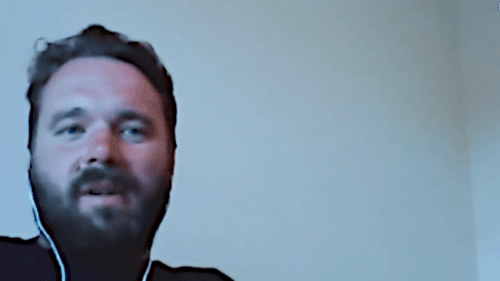
Ms. Novak had a brain haemorrhage in autumn 2019 at the age of 52. While working, she suddenly heard a popping sound, lost control of her body and the ability to see. As she was surrounded by colleagues at work, the rescue chain worked perfectly. After the diagnosis was made, she was taken to the central hospital where the medical staff were already waiting for her. The operation (coiling) took place the same day. During the two-week stay in the intensive care unit, she had severe headaches and remembers her hallucinations. She can no longer fully reconstruct conversations. In the rehabilitation clinic, she rebuilt her body and mind. The traumatic experience left lasting scars, as Ms. Novak's everyday life was marked by her fear of having to be hospitalised again. While she was in the rehabilitation clinic, she received the news that her mother had been admitted to the same hospital with the same diagnosis. This meant that Ms. Novak was not only affected by a brain haemorrhage herself, but was also a relative. Until that time, they were not aware of the family predisposition. At the time of the interview, Ms. Novak was worried that her daughter might also suffer from an aneurysm. Her daughter had not yet undergone an examination. Ms. Novak had been working in an office for 23 years and lost her job due to her absence from work as a result of her illness after the protection against dismissal expired. She was very lucky to find a new job right away where she is working full time again. She enjoys the fact that no one at her new job knows her medical history, as she does not want to talk about it during the working day. Ms. Novak lives her life independently again, drives a car and enjoys photography. She has lost the desire to read as a result of her diagnosis. At the time of the interview, she was still undergoing psychological treatment because she has trouble controlling her emotions. The interview took place in July 2021 at the her home.
TEXT
Ms. Frey found the rehabilitation unnecessary
Ms. Frey had a lot of discussions with the treating medical team because she refused to be transferred to the rehabilitation clinic. She preferred to rehabilitate at home with private resources.
Video Interview
TRANSCRIPT
Related experiences
Suter (Betroffener)
Rehab "brings you a lot"
Mr. Suter sees retrospectively how much the rehabilitation supported his healing process, even if he underestimated it at the beginning. The time to concentrate on his recovery outside of everyday life was very important for him.
Procedure after brain damage
Stupar (Betroffener)
In rehab, Mr. Stupar was suddenly on his own
While in intensive care you are under full surveillance and staff are always present, the peace and quiet of a single room in a rehabilitation clinic can be very oppressive, especially if you have survived a life-threatening event. Mr. Stupar describes the fears that suddenly took over.
Procedure after brain damage
Other experiences by Novak (Betroffene)
Novak (Betroffene)
Ms. Novak had a brain haemorrhage in autumn 2019 at the age of 52. While working, she suddenly heard a popping sound, lost control of her body and the ability to see. As she was surrounded by colleagues at work, the rescue chain worked perfectly. After the diagnosis was made, she was taken to the central hospital where the medical staff were already waiting for her. The operation (coiling) took place the same day. During the two-week stay in the intensive care unit, she had severe headaches and remembers her hallucinations. She can no longer fully reconstruct conversations. In the rehabilitation clinic, she rebuilt her body and mind. The traumatic experience left lasting scars, as Ms. Novak's everyday life was marked by her fear of having to be hospitalised again. While she was in the rehabilitation clinic, she received the news that her mother had been admitted to the same hospital with the same diagnosis. This meant that Ms. Novak was not only affected by a brain haemorrhage herself, but was also a relative. Until that time, they were not aware of the family predisposition. At the time of the interview, Ms. Novak was worried that her daughter might also suffer from an aneurysm. Her daughter had not yet undergone an examination. Ms. Novak had been working in an office for 23 years and lost her job due to her absence from work as a result of her illness after the protection against dismissal expired. She was very lucky to find a new job right away where she is working full time again. She enjoys the fact that no one at her new job knows her medical history, as she does not want to talk about it during the working day. Ms. Novak lives her life independently again, drives a car and enjoys photography. She has lost the desire to read as a result of her diagnosis. At the time of the interview, she was still undergoing psychological treatment because she has trouble controlling her emotions. The interview took place in July 2021 at the her home.
Novak (Betroffene)
"Something has burst"
Ms. Novak felt a burst in her head while working and called her colleagues for help. Within a very short time, she lost control of her body.
Experience of disease
Brain damage
Novak (Betroffene)
Ms. Novak did not dare to shower alone
Ms. Novak was afraid for a very long time that something would happen to her body again. She only dared to take a shower if there was someone nearby who could help in an emergency.
Experience of disease
Brain damage
Novak (Betroffene)
"Then I went for the nurse".
Ms. Novak reports hallucinations during the intensive care stay. She saw things that were not there. This made her very angry with the staff.
Experience of disease
Brain damage
Novak (Betroffene)
"And what if you don't open your eyes anymore?"
Ms. Novak could only scream in agony. She was always afraid to close her eyes, as she did not know if she would ever wake up again.
Experience of disease
Brain damage
Novak (Betroffene)
Fear dominates her everyday life
Ms. Novak lives with the daily fear of another brain haemorrhage. Despite the resulting sleep disorders, she has managed to find strength by socialising with other people and establishing new rituals in her everyday life.
Challenges after brain damage
Brain damage
Novak (Betroffene)
Before the brain haemorrhage, driving was her favourite activity
For a long time, Ms. Novak did not dare to get behind the wheel. She had to regain her confidence after the haemorrhage. At the time of the interview, she was driving again, but she talks about the fears that accompany her when she does so.
Challenges after brain damage
Brain damage
Novak (Betroffene)
Ms. Novak lost her job because of her medical history
Ms. Novak worked for the same employer for 23 years. Due to the brain haemorrhage and related rehabilitation, she was absent for several months. After the expiry of the protection against dismissal, the employer terminated the employment relationship. Ms. Novak is disappointed that she did not get a chance to reintegrate professionally. She quickly found a new job.
Challenges after brain damage
Brain damage
Novak (Betroffene)
Ms. Novak is glad that nobody at work knows about her medical history
Ms. Novak concealed her medical history at her new workplace. She is grateful that she has a few hours in the day when she is not spoken to about her health.
Challenges after brain damage
Brain damage
Novak (Betroffene)
Mother and daughter suffered a ruptured (burst) aneurysm within five weeks of each other
When Ms. Novak was at the rehabilitation clinic, she found out that her mother had been taken to hospital with the same diagnosis. She wants her daughter to also be examined for an aneurysm.
Impact for loved-ones
Brain damage
Novak (Betroffene)
True friends revealed themselves through the illness
Ms. Novak was abandoned by friends due to her illness. She also had surprisingly positive experiences, because people were there for her where she would never have believed it before.
Lessons and strategies
Brain damage
Novak (Betroffene)
Ms. Novak was wired everywhere
Ms. Novak reports how she was woken up by the constant alarms.
Procedure after brain damage
Brain damage
Novak (Betroffene)
Ms. Novak had mental training
At the rehabilitation clinic, Ms. Novak trained her attention and concentration skills. She also rebuilt her muscles there.
Procedure after brain damage
Brain damage
Novak (Betroffene)
Ms. Frey found the rehabilitation unnecessary
Ms. Frey had a lot of discussions with the treating medical team because she refused to be transferred to the rehabilitation clinic. She preferred to rehabilitate at home with private resources.
Procedure after brain damage
Brain damage
Novak (Betroffene)
Ms. Novak just screamed
After she collapsed screaming, she realised that someone had made the emergency call.
Decision-making
Brain damage
Novak (Betroffene)
"Damage is likely to remain"
When her mother was admitted with the brain haemorrhage, the doctors told her that she was likely to have permanent mobility impairments.
Decision-making
Brain damage
Novak (Betroffene)
Ms. Novak wanted to live
Ms. Novak fought an inner battle of survival and tried to stay conscious. She cannot remember any conversations about her patient's wishes.
Decision-making
Brain damage
Novak (Betroffene)
Uncertainties after the operation
It is common for surgeons to talk to their patients after the operation about the course of the procedure. The interview excerpt shows that Ms. Novak needed several days to understand the reason for the intensive care stay. The statement about the examinations also shows a lot of uncertainty, which points to a limited ability to remember and think.
Decision-making
Brain damage
Novak (Betroffene)
"You have had a guardian angel"
Ms. Novak's disease has made her realise how much she loves life. She considers herself very lucky that her illness has progressed as it has.
Decision-making
Brain damage
Novak (Betroffene)
The evaluation of one's own state of health is done by comparison with other patients
Ms. Novak takes her mother as a role model to fight for her health. Her mother suffered from a brain haemorrhage around the same time. In comparison with other patients, she values the course of her illness.
Identity
Brain damage
Novak (Betroffene)
She became aware every day of how her life was changing
Ms. Novak suffered from anxiety, sleep disorders, diarrhoea, hair loss and a full moon face. She lost confidence in her body.
Identity
Brain damage
Novak (Betroffene)
She used to devour books
Ms. Novak describes a change in her life. She used to be a bookworm and now can't stand books any more. Since she is cognitively able to read books, she does not understand the cause. In the same paragraph, she describes that she has become more sensitive since the disease. This paragraph is followed by a long silence. Even when asked, she is unable to put this feeling into words.
Identity
Brain damage
© 2000-2021, All Rights Reserved