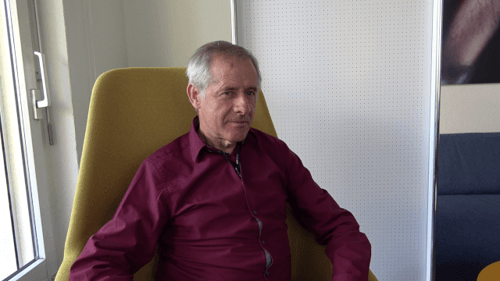
Uli F.
Uli F. was diagnosed with Parkinson's disease in 2001 at the age of 49. At that time, he is very athletic and works in an office. At the time of the interview, he has been living with the disease for nineteen years. In 2014, he started Deep Brain Stimulation therapy, which was six years ago at the time of the interview. Shortly after the deep brain stimulation, he took early retirement due to Parkinson's disease and a back problem. It is important for him to be open about his Parkinson's disease. Age at the time of diagnosis: 49 Treatment: Deep brain stimulation
VIDEO
Changes in sport
Ulli F. notices first changes in sports.
Video Interview
TRANSCRIPT

Other experiences by Uli F.
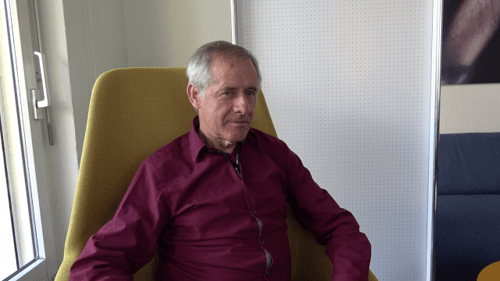
Uli F.
Uli F. was diagnosed with Parkinson's disease in 2001 at the age of 49. At that time, he is very athletic and works in an office. At the time of the interview, he has been living with the disease for nineteen years. In 2014, he started Deep Brain Stimulation therapy, which was six years ago at the time of the interview. Shortly after the deep brain stimulation, he took early retirement due to Parkinson's disease and a back problem. It is important for him to be open about his Parkinson's disease. Age at the time of diagnosis: 49 Treatment: Deep brain stimulation
Uli F.
Changes in sport
Ulli F. notices first changes in sports.
Diagnosis
Parkinson's disease: deep brain stimulation and duodopa pump
Uli F.
The effect of the medication wears off
In Uli F.'s case, the effect of the medication wears off and he can no longer walk well.
Symptoms and course of disease
Parkinson's disease: deep brain stimulation and duodopa pump
Uli F.
Movement activities
Ulli F. can no longer go on long hikes.
Living with Parkinson's disease
Parkinson's disease: deep brain stimulation and duodopa pump
Uli F.
Communicating the disease
Ulli F. is open about his illness.
Living with Parkinson's disease
Parkinson's disease: deep brain stimulation and duodopa pump
Uli F.
Keyboarding
Ulli F. can no longer type so quickly and sometimes makes mistakes.
Living with Parkinson's disease
Parkinson's disease: deep brain stimulation and duodopa pump
Uli F.
Increase in dose and number of medicines
Uli F. reaches the point where increasing the medication no longer helps.
Medication
Parkinson's disease: deep brain stimulation and duodopa pump
Uli F.
Procedure
Ulli F. describes the stages of the operation.
Treatment with Deep Brain Stimulation
Parkinson's disease: deep brain stimulation and duodopa pump
Uli F.
Noises during the operation
Ulli F. sometimes remembers a sound he heard during the operation.
Treatment with Deep Brain Stimulation
Parkinson's disease: deep brain stimulation and duodopa pump
Uli F.
Different groups
Ulli F. reports that there is a small group of those who have been treated with Deep Brain Stimulation.
Further therapies and support
Parkinson's disease: deep brain stimulation and duodopa pump
© 2000-2021, All Rights Reserved